You hit a pothole at speed, rain starts falling, and a car passes closer than it should. Moments like these are exactly why finding the best camera for biking matters. Today’s cyclists expect more than shaky highlight reels—they want sharp, stable footage that works just as well on a daily commute as it does on a mountain trail. Whether you’re recording rides for safety, reliving scenic routes, or publishing content online, the right camera can quietly become one of your most valuable pieces of gear. This guide focuses on what actually makes a difference on the road and explains why modern 360 cameras are reshaping how cyclists capture their rides.
What Makes the Best Camera for Biking
Stabilization and video quality on rough terrain
Bike footage lives or dies by stabilization. Cobblestones, cracked pavement, loose gravel, and trail roots send constant micro-shocks through a frame. Without strong electronic stabilization, the result is jittery video that’s hard to watch for more than a few seconds. The best bike cameras rely on advanced sensors and real-time software correction to smooth out those impacts, even when the surface changes every few meters.
Resolution matters for practical reasons. Clean 4K or higher video lets you read license plates, review riding lines, and crop clips for social media without the image falling apart. For riders switching between road, gravel, and trails, stabilization and resolution work as a pair—you can’t rely on one without the other.
Durability, weather resistance, and battery life
Cameras on bikes live a hard life. Dust, rain spray, vibration, and the occasional tumble are part of the deal. A waterproof camera for cycling should be sealed well enough to survive sudden downpours and gritty conditions, not just sunny-day rides. That level of protection is just as useful on a weekday commute as it is on a long weekend adventure.
Battery life becomes critical once rides stretch past an hour or two. Touring days, endurance training, or all-day exploring demand either long runtimes or quick battery swaps. In real-world use, efficient power management often beats a slightly larger battery that drains faster.
Ease of use while riding
A good biking camera stays out of your way. Large physical buttons, voice commands, or app-based controls make it possible to start recording without taking your eyes off the road. Tiny touchscreens and deep menus are frustrating when you’re wearing gloves or stopped briefly at a traffic light.
This simplicity matters even more for riders who film for safety. Being able to capture an incident instantly can be far more important than dialing in perfect settings.
Why 360 Cameras Are Ideal for Biking
Capturing everything without aiming the camera
Traditional action cameras demand careful positioning, and once they’re mounted, you’re locked into that angle. A 360 camera flips that limitation on its head by recording everything at once. That’s why many riders now see them as the best 360 camera for biking—there’s no need to think about framing while you’re moving.
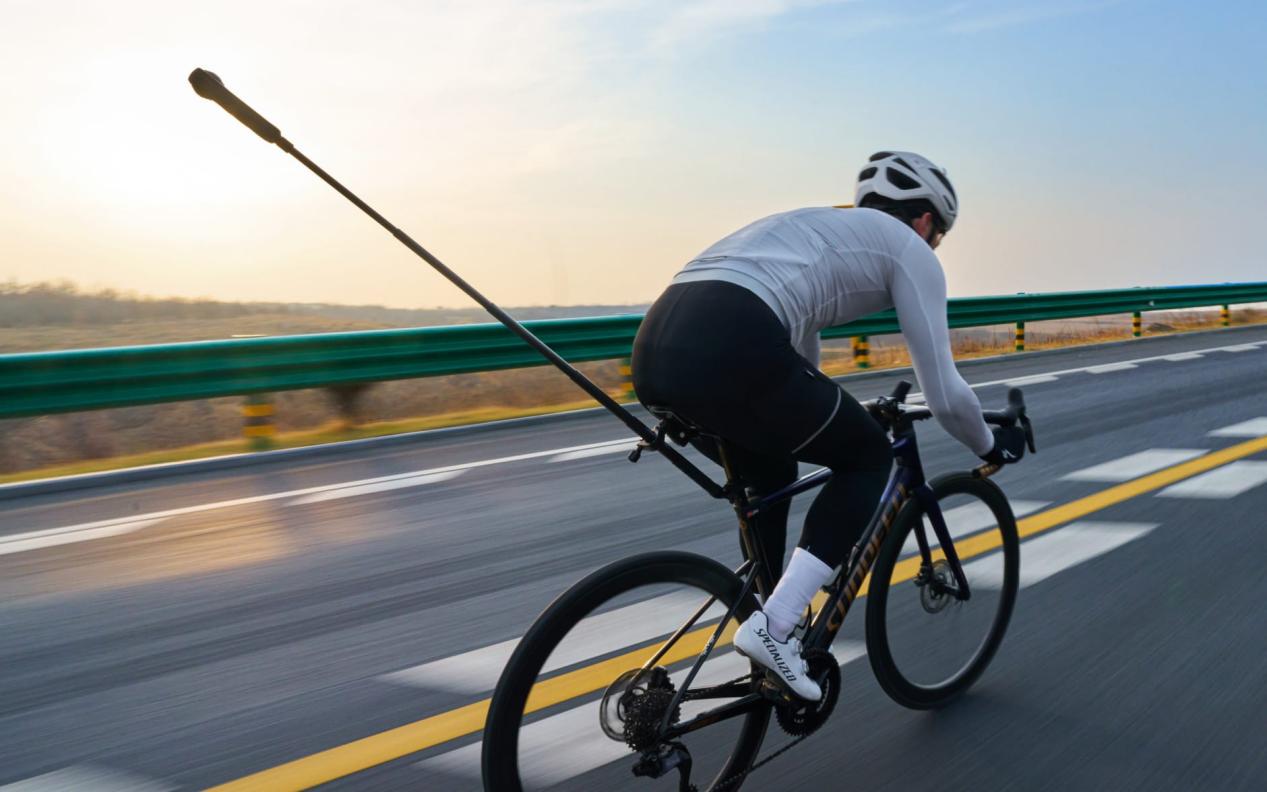
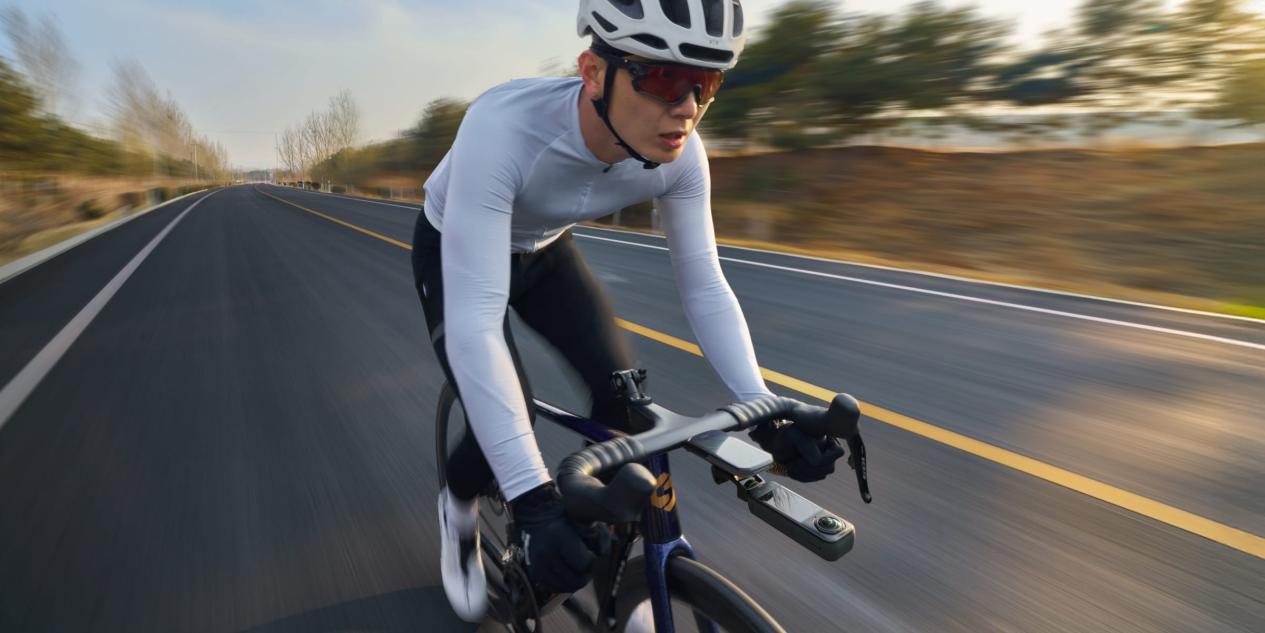
Mounted on a bike or helmet, a 360 camera captures the road ahead, traffic behind, scenery on both sides, and even the rider. This “record now, decide later” approach is ideal when conditions change quickly or when you don’t want to stop mid-ride to adjust angles.
Post-ride reframing and creative flexibility
The real magic of 360 footage happens after you get home. You can reframe clips to highlight a close pass, pan across a mountain vista, or track the rider automatically through a corner. One ride can produce multiple angles without ever remounting the camera.
When weighing an action camera vs 360 camera for biking, this editing freedom is often the tipping point. Instead of committing to a single viewpoint before you roll out, you keep every option open until the edit.
Using the Insta360 X5 on a Bike: Practical Considerations
Image stabilization and horizon leveling in real rides
The Insta360 X5 pairs high-resolution 360 capture with strong stabilization and automatic horizon leveling. On broken pavement or technical descents, the footage stays level and comfortable to watch, even when the bike itself is pitching and rolling.
This makes a noticeable difference on demanding terrain and helps explain why it’s often mentioned in discussions about the best camera for mountain biking trails.
360 footage for safety, awareness, and storytelling
There’s a practical safety upside to 360 recording. Capturing front and rear views at the same time creates a complete record of traffic interactions, close passes, and near misses. For urban riders and daily commuters, that full context can be invaluable.
From a storytelling perspective, the X5 lets riders pull out scenic overlooks, steep climbs, or dramatic moments without worrying about what they missed. Examples on Insta360’s official site show how 360 storytelling has become a staple in action sports.
Battery performance and storage for long rides
Extended rides demand smart power use. The Insta360 X5 is built to balance performance with efficiency, making it possible to record for long stretches with the right settings. Swappable batteries or a small power bank can push that even further on all-day outings.
Storage deserves just as much attention. High-resolution 360 video fills cards quickly, so fast, high-capacity memory cards are a must. Anyone planning multi-day trips should treat storage as part of the overall camera setup, not an afterthought.
Mounting, Settings, and Safety Tips
Handlebar, helmet, and seatpost mounting options
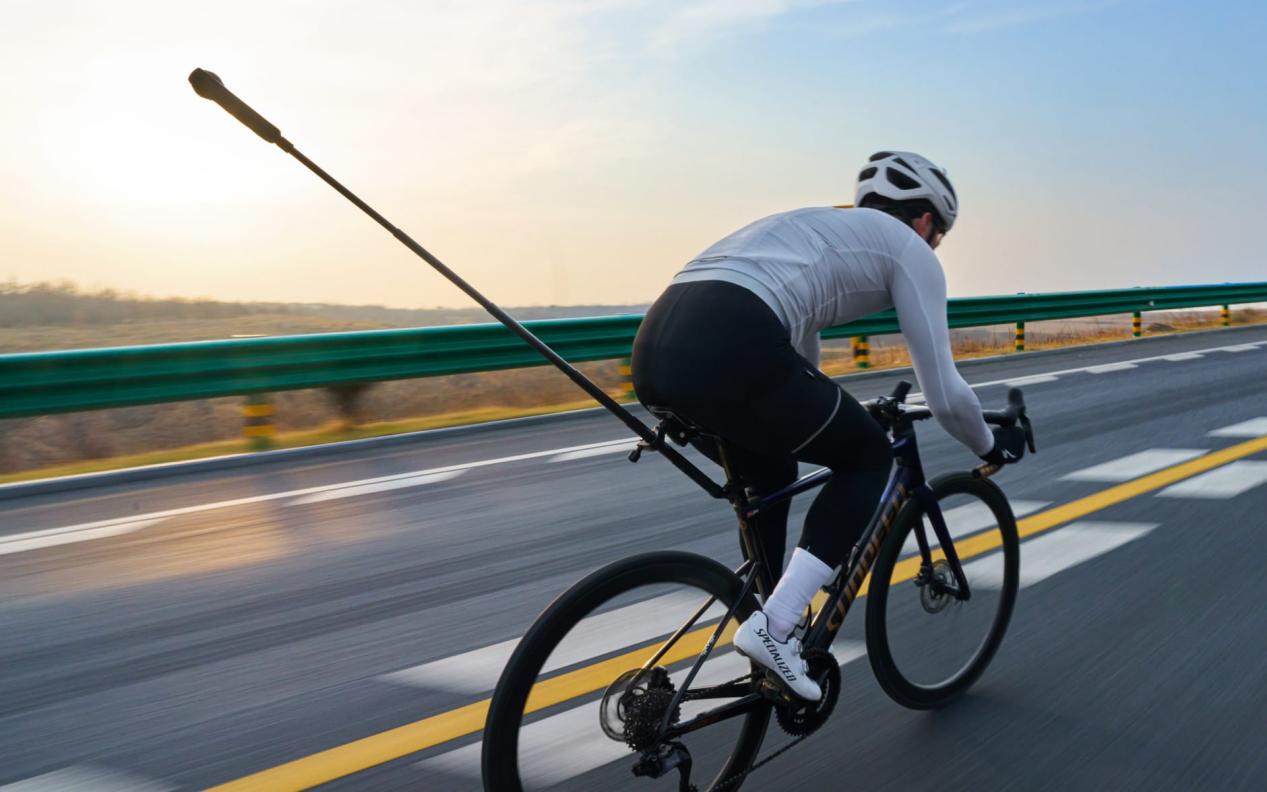
Where you mount the camera shapes both the footage and the ride feel. Handlebar mounts deliver a stable forward view, seatpost mounts are excellent for recording traffic behind you, and a helmet mounted camera for biking captures a true rider’s-eye perspective—though the extra weight can add up on longer rides.
Many cyclists test more than one mount before settling on a favorite. Guides like BikeRadar’s camera mounting guide offer useful comparisons and setup tips.
Recommended video settings for road and trail biking
Road riding typically benefits from strong stabilization, moderate frame rates, and a wide field of view that captures surrounding traffic. On trails, higher frame rates help smooth fast descents and technical sections.
With 360 cameras, recording at the highest practical resolution gives you more room to reframe later. Tweaking bitrate and color profiles can also improve results, especially when lighting changes from open roads to wooded trails.
Riding safely while filming
No clip is worth a crash. Set up mounts and settings before you roll out, and resist the urge to adjust anything while moving. Voice controls and remote triggers help keep your attention where it belongs.
Double-check that mounts are secure and never interfere with steering or braking. When the setup is solid, the camera adds value without becoming a distraction.
Conclusion
The best camera for biking is the one that fits how and where you ride. Strong stabilization, reliable weather protection, and simple controls matter just as much as image quality. For many cyclists, 360 cameras now offer the most flexibility, combining full coverage with creative freedom and added safety awareness. If you’re ready to upgrade your setup, take a close look at how models like the Insta360 X5 align with your riding style—and then put that camera to work on your next ride.
FAQs
What is the best camera for biking on rough trails?
The best camera for rough trails combines powerful stabilization, high frame rates, and a rugged build. Many riders lean toward 360 cameras or premium action cameras designed specifically for the demands of mountain terrain.
Is a 360 camera better than a traditional action camera for cycling?
For many cyclists, it is. A 360 camera records everything without precise aiming and allows reframing after the ride. When comparing an action camera vs 360 camera for biking, versatility and all-around coverage often give 360 models the edge.
Where should I mount a bike camera for the best footage?
The best position depends on your goal. Handlebars offer stability, helmet mounts deliver a rider’s perspective, and seatpost mounts are ideal for rear-facing awareness. Trying a few positions usually leads to the best results.
Can biking cameras handle rain and dust?
Most modern biking cameras are built to handle the elements. A waterproof camera for cycling can manage rain, mud, and dust, but it’s still wise to check official ratings and follow recommended maintenance practices.