Introduction
When choosing between the iPhone 6 Plus and the iPhone 6, understanding their specifications is crucial. This comprehensive comparison will help you decide which one suits your needs better.
Overview of the iPhone 6 and iPhone 6 Plus
Release and Market Position
The iPhone 6 and iPhone 6 Plus were released by Apple in September 2014. Positioned as flagship models, they introduced several new features to the market.
Target Audience and Popularity
The iPhone 6 appealed to users looking for a compact, high-performance phone, while the iPhone 6 Plus targeted those wanting a larger display for multimedia consumption.
Design and Build Quality
Size and Dimensions
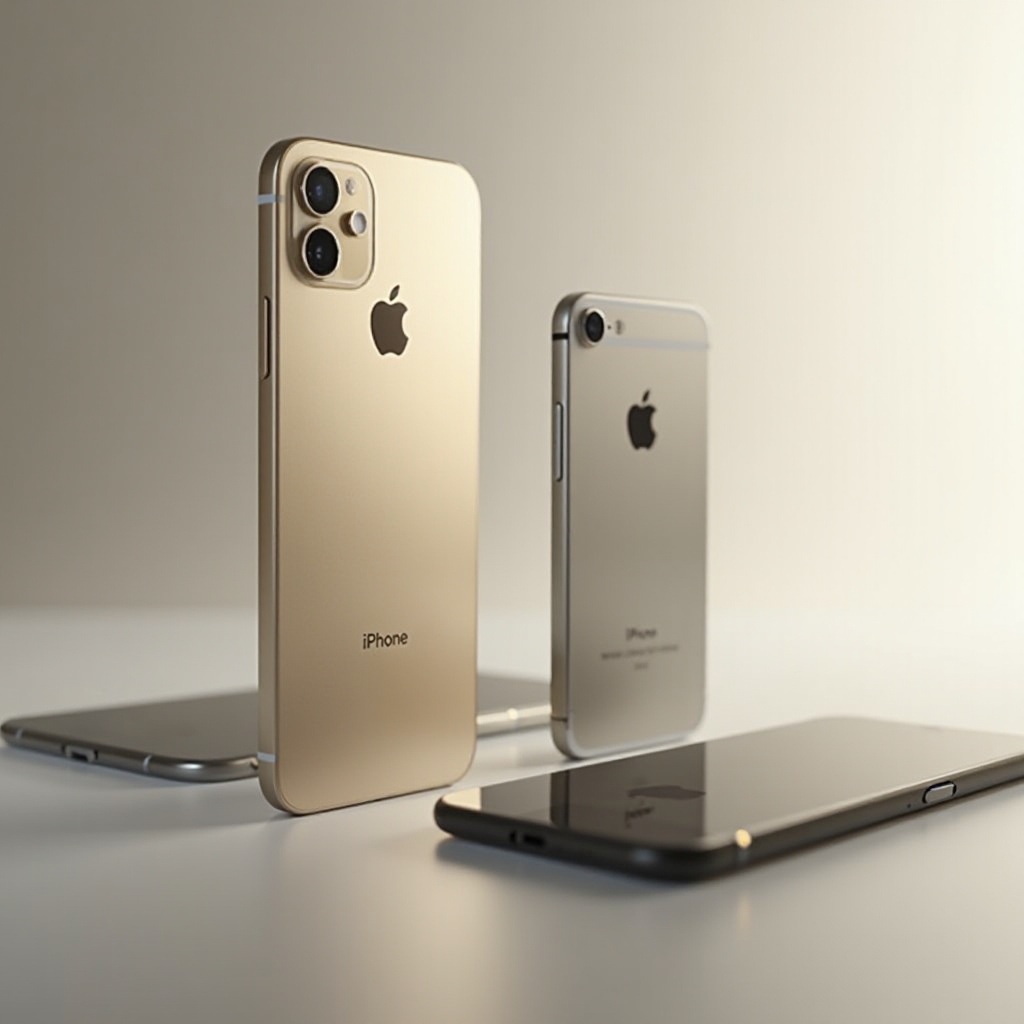
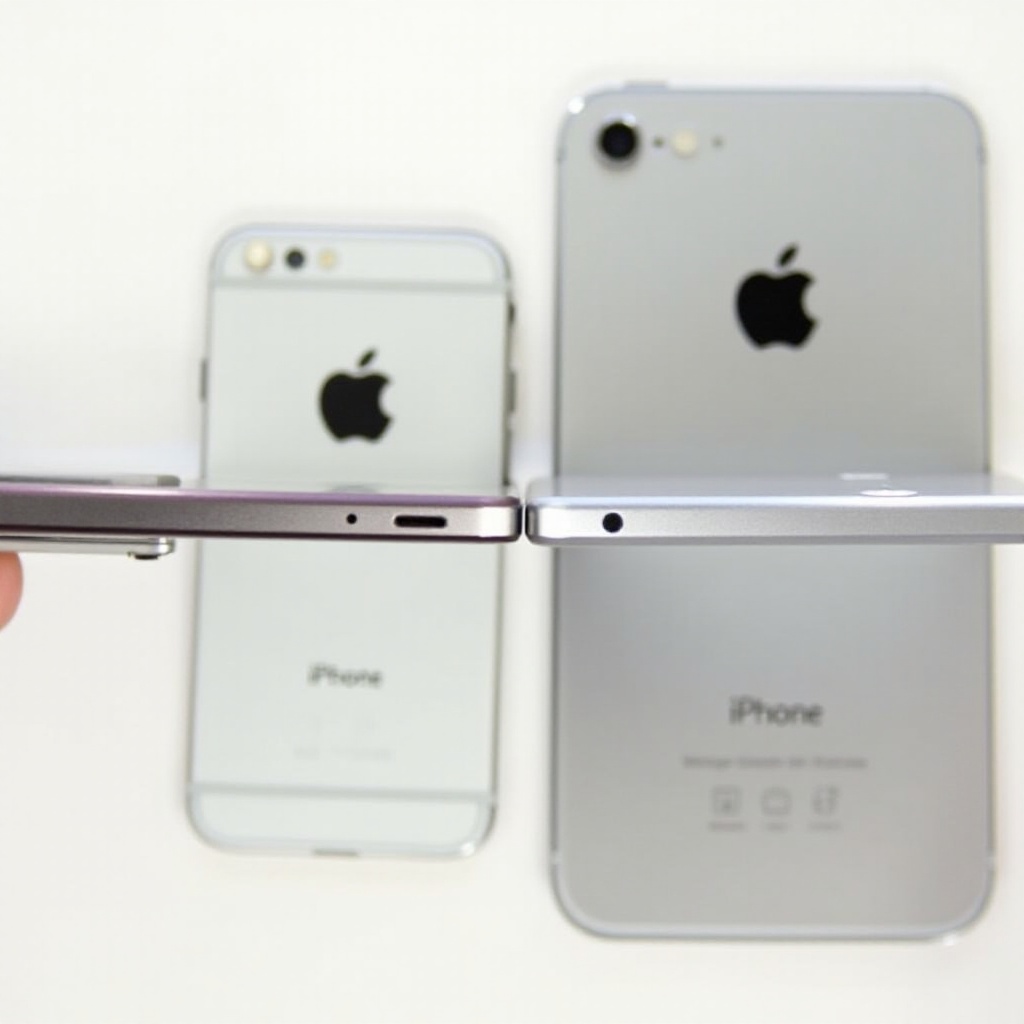
The iPhone 6 is more compact with dimensions of 138.1 x 67 x 6.9 mm, while the 6 Plus is larger at 158.1 x 77.8 x 7.1 mm. The size difference is notable when held in the hand.
Weight and Materials
The iPhone 6 weighs 129 grams, making it lighter than the 6 Plus, which weighs 172 grams. Both models use aluminum bodies, offering a premium feel.
Display Comparison
Screen Size and Resolution
The iPhone 6 features a 4.7-inch display with a 1334 x 750 resolution, whereas the iPhone 6 Plus has a 5.5-inch display with a 1920 x 1080 resolution, offering more screen real estate.
Display Technology (Retina, IPS)
Both models use Retina HD and IPS technology, ensuring wide viewing angles and vibrant colors.
Pixel Density and Quality
With a pixel density of 326 ppi for the iPhone 6 and 401 ppi for the 6 Plus, the latter provides sharper images and text, making it ideal for high-resolution content.
Performance and Hardware
The iPhone 6 and 6 Plus share many similarities in their performance capabilities. Each offers reliable and robust functionality.
Processor and Chipset
Powered by the A8 chipset, both the iPhone 6 and 6 Plus offer snappy performance. The dual-core 1.4 GHz Typhoon processor ensures efficient multitasking.
RAM and Storage Options
Both models come with 1 GB of RAM and various storage options: 16 GB, 64 GB, and 128 GB.
Graphics and Gaming Performance
The integrated PowerVR GX6450 GPU offers impressive graphics performance, making both phones capable of handling demanding games and applications.
Camera Capabilities
While both phones offer similar camera systems, there are a few distinctions that can influence your choice.
Rear Camera Specifications
The rear 8 MP iSight camera is consistent across both models. However, the 6 Plus includes Optical Image Stabilization (OIS), providing clearer photos in low light conditions.
Front Camera Specifications
The 1.2 MP FaceTime camera is the same on both, offering decent quality selfies and video calls.
Notable Camera Features (Optical Image Stabilization, etc.)
Both cameras come equipped with features like autofocus, dual-LED flash, and HDR, but the inclusion of OIS in the 6 Plus gives it the edge for photography enthusiasts.
Battery Life and Charging
Battery capacity can be a decisive factor, especially for users on the go.
Battery Capacity
The iPhone 6 has a 1,810 mAh battery, while the 6 Plus houses a larger 2,915 mAh battery, correlating to longer usage times.
Charging Times and Methods
Both models support standard charging and do not include the fast charging or wireless charging options prevalent in later models.
Power Management Features
iOS provides efficient power management features, extending battery life on both models even with heavy usage.
Software and Features
Both phones benefit from Apple's robust software support, ensuring they remain functional and secure.
Operating System Compatibility
Both the iPhone 6 and 6 Plus originally shipped with iOS 8 and are upgradable to iOS 12, ensuring they have access to a range of features and security updates.
Unique Software Features and Updates
Apple's consistent updates ensure both phones have similar software capabilities, including features like Apple Pay and improved notifications.
Connectivity and Sensors
LTE and Wi-Fi Options
Both models support LTE, Wi-Fi 802.11ac, Bluetooth 4.0, and NFC for Apple Pay.
Additional Sensors (Touch ID, etc.)
Each phone comes equipped with a Touch ID fingerprint sensor, accelerometer, gyroscope, proximity sensor, and compass.
Price and Value
As older models, the iPhone 6 and 6 Plus present budget-friendly options in the second-hand market.
Current Market Prices
Purchasing a second-hand iPhone 6 or 6 Plus can offer significant savings compared to newer models, making them accessible options for budget-conscious buyers.
Availability on Various Platforms
These models are widely available through refurbished electronics retailers, online marketplaces, and second-hand stores.
Conclusion
In summary, the iPhone 6 and iPhone 6 Plus offer unique benefits tailored to different user preferences. The iPhone 6 is suited for those who prefer a compact and lightweight device, while the 6 Plus caters to users seeking larger screens and enhanced camera capabilities. For most users, the choice will come down to their size preferences and whether they value features like OIS for photography.
Frequently Asked Questions
Which model has a better battery life?
The iPhone 6 Plus, with its larger 2,915 mAh battery, typically offers longer battery life compared to the iPhone 6’s 1,810 mAh battery.
Is there a significant performance difference in real-world usage?
Both models share the same A8 processor and 1 GB of RAM, so performance differences in real-world usage are negligible.
Are both models compatible with the latest iOS updates?
Both the iPhone 6 and iPhone 6 Plus can be upgraded to iOS 12. However, they are not compatible with the latest iOS versions beyond that.