Introduction
The evolution of smartphone cameras has been astounding, with each new iPhone release setting a higher standard in mobile photography. A key metric people often look at is the megapixel count, but what does it really mean? How many megapixels does an iPhone have, and how does it affect your photos? This article delves into the world of iPhone megapixels, exploring their significance, practical applications, and more.
Evolution of iPhone Cameras
Early Models (iPhone 2G to iPhone 6)
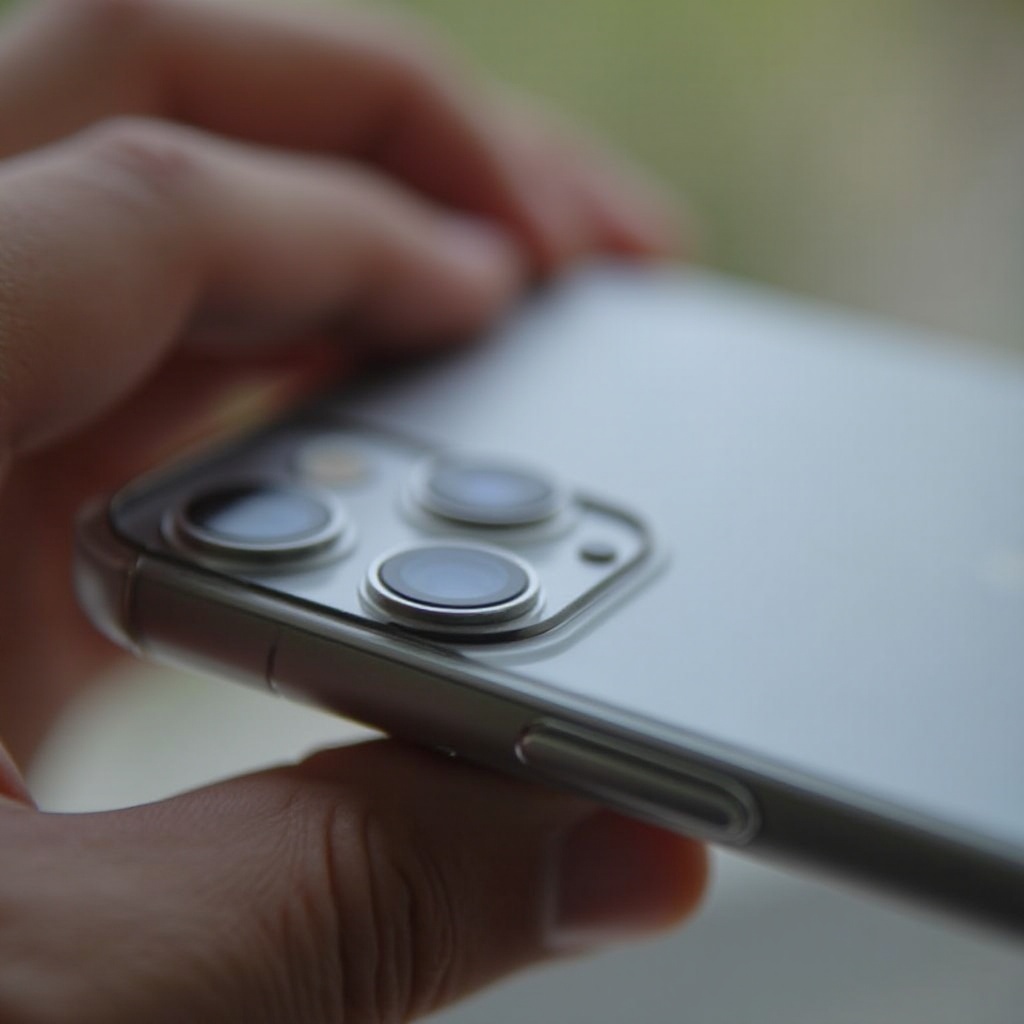
The journey of iPhone cameras began in 2007 with the introduction of the first-generation iPhone, featuring a 2-megapixel camera. As each new model was released, the megapixel count slowly increased, alongside enhancements in software and sensor technology.
From iPhone 6 to iPhone 13
With the release of the iPhone 6 and its 8-megapixel camera, Apple began to focus more heavily on improving camera quality. The iPhone 7 introduced a dual-camera system, and by the time the iPhone 13 was rolled out, the camera technology had become extraordinarily sophisticated, boasting a dual 12-megapixel system on the regular models and a triple 12-megapixel system on the Pro models.
iPhone 14 Series and Beyond
The iPhone 14 series marked another leap in camera technology. iPhone 14 and 14 Plus have continued with high-quality camera setups, but the real innovation appears in the Pro models. The iPhone 14 Pro and Pro Max feature an impressive 48-megapixel primary sensor, changing the game in terms of mobile photography.
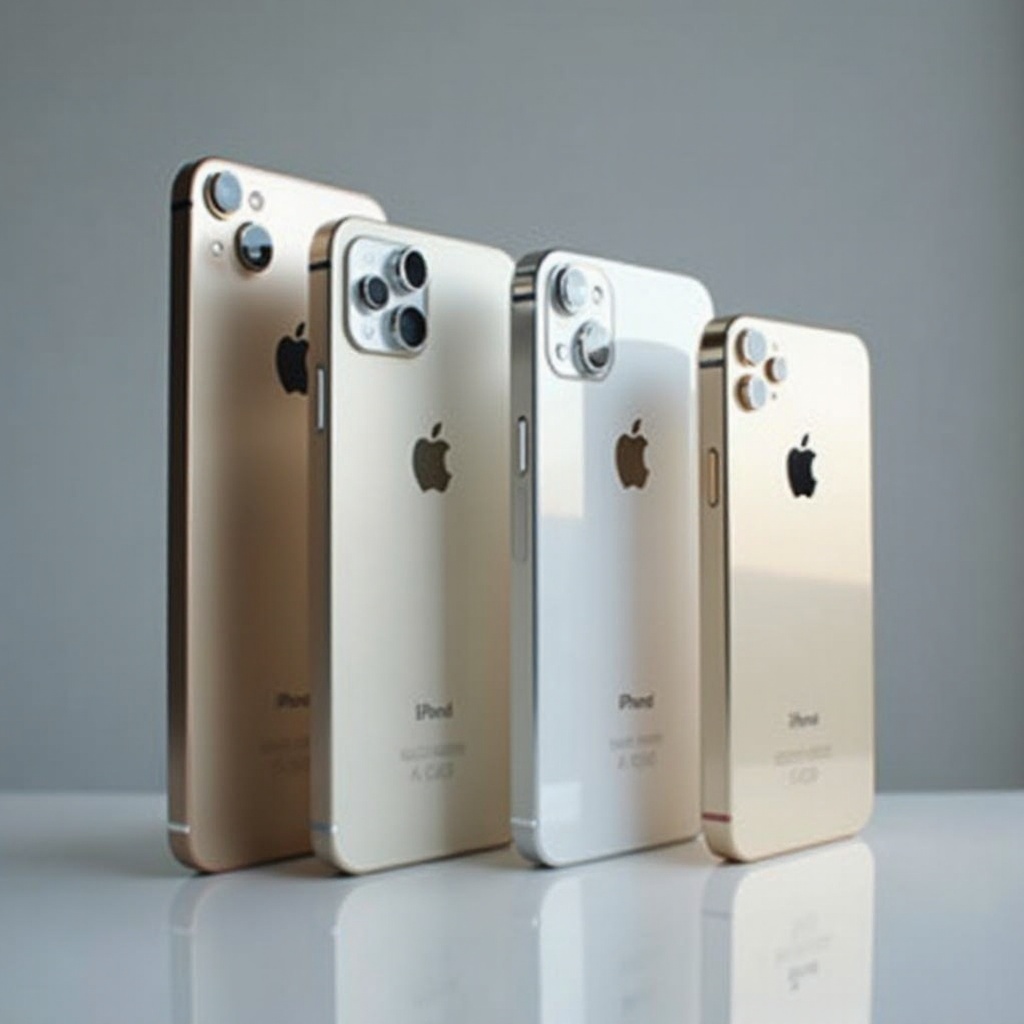
Detailed Megapixel Count in Latest iPhone Models
iPhone 14 and 14 Plus
The iPhone 14 and iPhone 14 Plus come equipped with dual 12-megapixel cameras, capable of capturing incredibly detailed photos. Despite not having the highest megapixel count, advanced computational photography, sensor improvements, and software enhancements ensure outstanding image quality.
iPhone 14 Pro and 14 Pro Max
The iPhone 14 Pro and Pro Max elevate the photography experience with a 48-megapixel main sensor, complemented by two 12-megapixel sensors for ultrawide and telephoto photography. This allows users to capture more detail than ever before, making these models ideal for both casual users and professionals.
Predicted Megapixel Count for Future Models
Looking forward, it seems likely that Apple will continue to increase the megapixel count and enhance other aspects of camera technology such as sensor size, software advancements, and improved lenses.
Megapixels vs. Overall Camera Quality
Understanding Megapixels and Image Resolution
A higher megapixel count generally allows for larger image prints and more cropping without losing detail. However, megapixels aren't the only factor that determines image quality.
Other Key Factors: Aperture, Sensor Size, Software
Beyond megapixels, several other factors play crucial roles in camera performance:- Aperture: Determines how much light the camera sensor receives.- Sensor Size: Larger sensors capture more light and detail.- Software: Advanced algorithms enhance images through computational photography.These elements combined influence the end result, often more so than sheer megapixel count.
Practical Applications of iPhone Megapixels
Everyday Photography
For everyday photographers, the iPhone's camera systems offer excellent capabilities. Selfies, landscapes, and casual shots come out vibrant and sharp.
Professional Uses
Many professionals now use iPhones for high-quality photography and videography. The enhanced megapixel count and advanced features make it a viable tool for various creative projects.
Video Recording and Content Creation
Modern iPhones provide excellent video recording capabilities, thanks to high megapixel sensors and software optimizations. They are widely used by content creators for vlogs, tutorials, and even short films.
Tips to Maximize iPhone Camera Performance
Optimizing Camera Settings
To get the best out of your iPhone's camera, always:1. Use the appropriate mode (portrait, night mode, etc.) for your scene.2. Turn on HDR for well-balanced images.3. Adjust exposure settings manually for better control.
Best Practices for Different Scenarios
Different settings call for different techniques:- Low Light: Utilize night mode and stabilize your phone.- Action Shots: Use burst mode to capture fast-moving subjects.- Landscapes: Use the ultrawide lens to capture more of the scenery.
Conclusion
iPhone cameras have significantly evolved, with the latest models offering impressive megapixel counts that cater to both amateur and professional photographers. While megapixels are important, they are not the sole determinants of photo quality. The combination of advanced sensors, software, and other features make iPhones a formidable tool for capturing stunning images and videos.
Frequently Asked Questions
How many megapixels does the latest iPhone have?
The latest iPhone models feature a range of megapixel counts. For instance, the iPhone 14 Pro and Pro Max offer a 48-megapixel main sensor, while the iPhone 14 and 14 Plus have dual 12-megapixel cameras.
Are more megapixels always better in a smartphone camera?
Not necessarily. While more megapixels can mean more detail, other factors like sensor size, aperture, and image processing software also play significant roles in determining photo quality.
How can I take better photos with my iPhone?
To take better photos with your iPhone, optimize camera settings for different scenes, use appropriate modes, stabilize your phone for low-light shots, and make use of features like HDR and burst mode for the best results.