You’re standing at the top of the lift, goggles fog-free, legs buzzing, powder untouched below. You hit record with bulky gloves on and drop in. By the time you reach the bottom, the real question hits: did your camera actually capture that run the way it felt? If you’re asking what is the best camera for snowboarding, the answer isn’t about brand loyalty—it’s about surviving cold, chaos, and speed while still delivering smooth, cinematic footage. In 2026, many riders are moving beyond standard action cams toward 360 cameras, with models like the Insta360 X5 leading the shift thanks to their flexibility and hands-off shooting style.
What to Look for in a Snowboarding Camera
Snowboarding punishes gear. Sub-freezing temperatures, constant vibration, moisture, and the occasional slam all expose weak points fast. A good snowboarding camera needs to work reliably when conditions are at their worst, not just when everything goes right.
Cold weather performance and battery life
Cold kills batteries—sometimes cutting runtime in half compared to mild conditions. The best camera for snowboarding in cold weather should function consistently below freezing and allow fast, tool-free battery swaps.
Models with cold-optimized batteries and USB-C fast charging have a clear advantage. Keeping spare batteries in an inner jacket pocket, where body heat keeps them warm, can easily extend filming time during long resort days or backcountry sessions.
Image stabilization on rough terrain
Chatter from icy runs, heavy landings, and tracked-out snow can turn footage into an unwatchable blur. Strong stabilization isn’t optional—it’s what separates usable clips from throwaways.
Today’s best cameras combine software stabilization with gyroscopic data to smooth out vibration in real time. This matters most during tree runs, park laps, and high-speed carving where constant micro-movements are unavoidable.
Mounting options and hands-free shooting
Once you drop in, adjusting a camera should be the last thing on your mind. Snowboarding demands hands-free shooting, whether the camera is mounted on a helmet, chest harness, or pole.
Wide compatibility with third-party mounts and solid locking mechanisms reduces the chance of losing a camera during crashes or deep powder tumbles.
Action Camera vs 360 Camera for Snowboarding
The action camera vs 360 camera snowboarding debate has changed quickly over the last few seasons. Both formats work, but they serve different styles of riding and content creation.
Field of view and capturing the full ride
Traditional action cameras only capture what they’re aimed at. If the angle is off, the moment is gone—no fixing it later.
360 cameras record everything around you. For snowboarding, that means the line, the rider, the landscape, and the trick all exist in the same clip, even if you didn’t plan the angle ahead of time.
Ease of use with gloves on
Cold fingers and tiny touchscreens don’t mix. Cameras with large buttons, voice control, or phone-based operation are far easier to manage on the mountain.
Many riders simply start recording at the top, stash the controls, and focus entirely on the run until they’re back on the lift.
Post-ride editing flexibility
This is where 360 cameras really pull ahead. Instead of committing to a single angle, you can pan, tilt, and reframe after the run.
One descent can become multiple clips—wide shots for YouTube, vertical cuts for Instagram, and close-up angles for TikTok—without riding the line again.
Why 360 Cameras Are Popular Among Snowboarders
Walk through any terrain park or freeride zone today and you’ll see 360 cameras everywhere. Their rise isn’t hype—it’s driven by how well they fit real riding.
Reframing tricks and lines after filming
Stomping a trick only to realize the camera missed it is frustrating. With a 360 camera, that problem disappears.
You can reframe spins, grabs, and spray-heavy carves after filming, which is why many riders consider them the best 360 camera for snowboarding content creation.
Invisible selfie stick effect
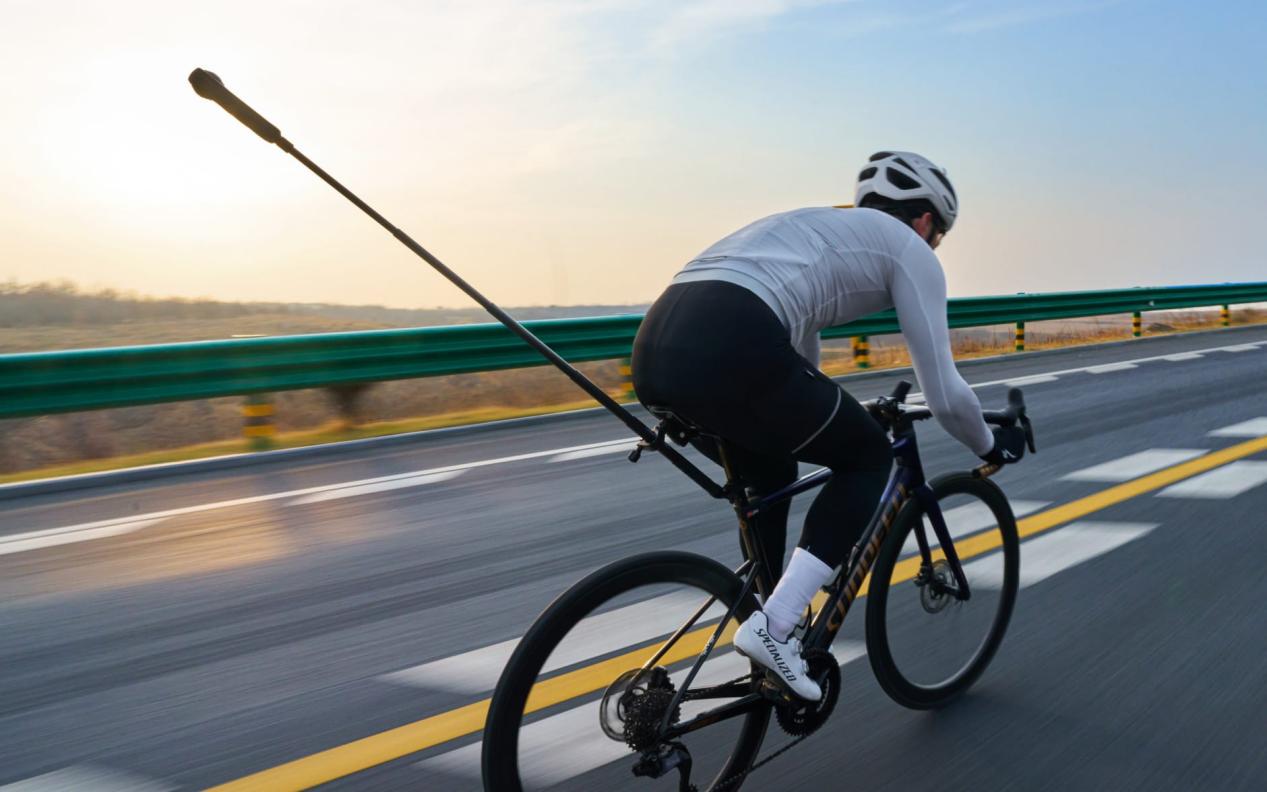
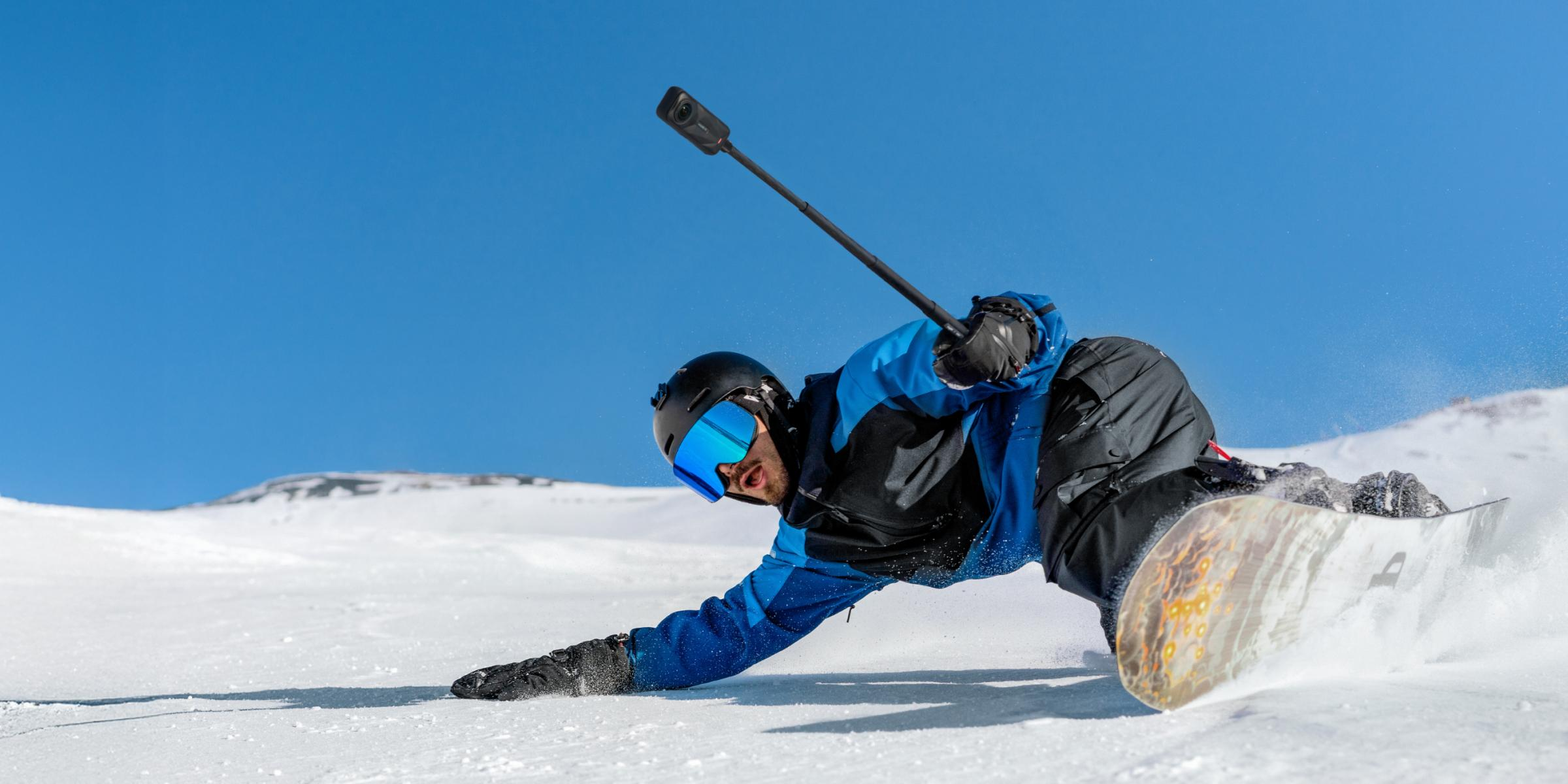
The invisible selfie stick effect is one of the most recognizable features of modern 360 footage. The camera automatically removes the mount from the shot.
The result looks like a floating third-person camera—similar to a drone angle—without breaking resort rules or adding complexity.
How the Insta360 X5 Fits Snowboarding Needs
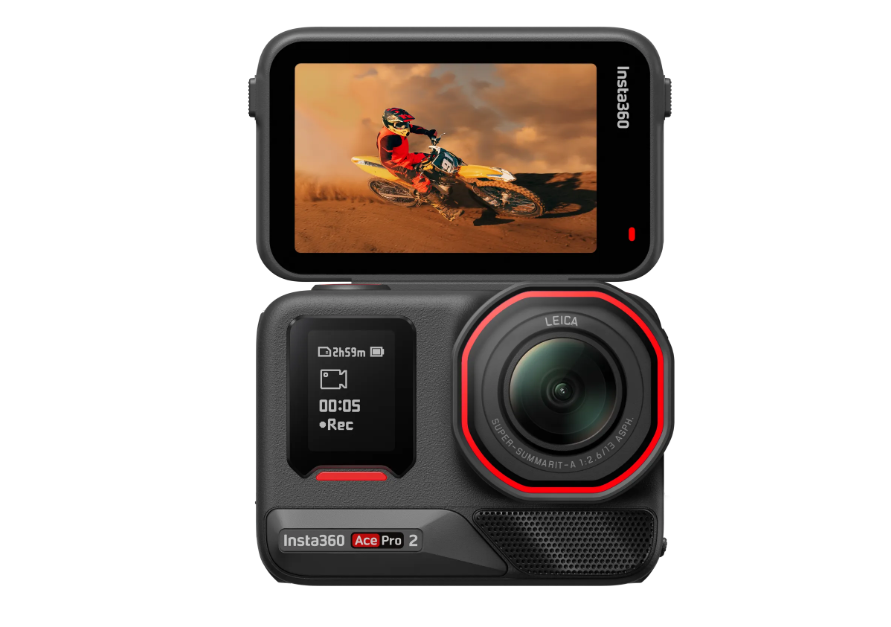
The Insta360 X5 frequently comes up in conversations about winter filming because it balances image quality with practicality on snow.
Stabilization and horizon leveling on slopes
FlowState stabilization and built-in horizon leveling keep footage smooth, even when the board is angled hard through turns.
On steep faces or uneven terrain, Insta360 X5 snowboarding footage stays level without requiring manual correction in editing.
Durability and performance in snow
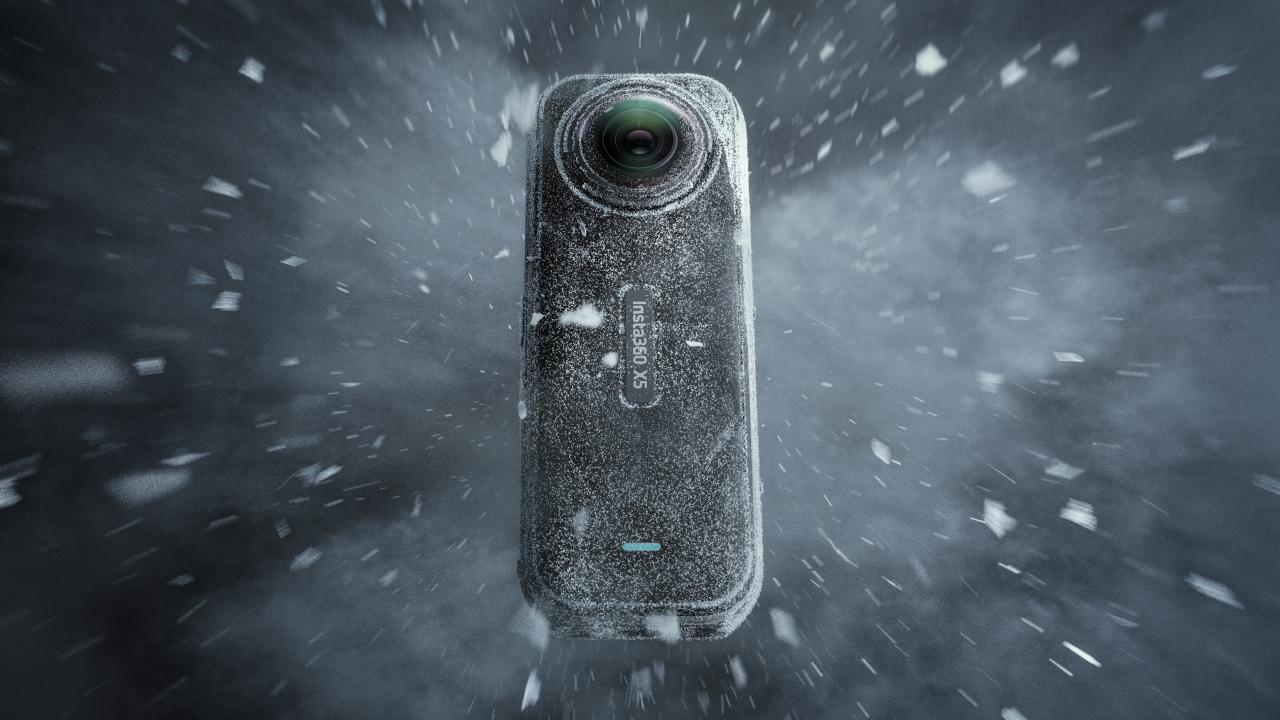
Snow spray, ice buildup, and crashes are part of the sport. A weather-resistant build helps the camera survive real-world riding.
With proper lens guards and secure mounts, the X5 handles cold days and snowy conditions without constant maintenance.
You can explore technical specs and supported accessories on the official Insta360 website.
Tips for Getting Better Snowboarding Footage
Gear matters, but setup and technique often make a bigger difference. A few small changes can dramatically improve how your clips turn out.
Best camera mounts for helmets and boards
Helmet mounts give a true point-of-view feel, while chest mounts show more board movement and terrain depth.
Extended poles and backpack mounts pair especially well with 360 cameras and invisible selfie stick tech. Secure, vibration-resistant hardware is essential when choosing the best snowboarding camera mounts.
Settings for bright snow and changing light
Snow reflects massive amounts of light, often blowing out highlights. Slightly reducing exposure compensation helps preserve texture in both snow and sky.
Flat or log color profiles provide more flexibility in post-production. Even a basic understanding of camera settings for filming snowboarding can noticeably improve final results.
Many riders also reference winter filming advice from resources like Outside Online’s winter filming advice.
Conclusion
Deciding what is the best camera for snowboarding ultimately comes down to how well it handles cold, movement, and real riding conditions. Cameras that stabilize aggressive motion, work reliably in freezing temperatures, and allow hands-free operation consistently deliver better results. If you want maximum creative freedom with minimal setup, a 360 camera like the Insta360 X5 is a strong choice. Take a hard look at how you ride, how you want to share your footage, and choose a camera that won’t slow you down on the mountain.
FAQs
What is the best camera for snowboarding beginners?
Beginners benefit from cameras with strong stabilization, simple controls, and minimal setup. A 360 camera is especially forgiving because framing mistakes can be fixed after the ride.
Are 360 cameras better than GoPro-style cameras for snowboarding?
360 cameras offer more creative flexibility and editing control, while traditional action cameras are simpler and often more affordable. The better option depends on how much post-editing freedom you want.
How do you keep a camera battery warm while snowboarding?
Store spare batteries in an inside pocket close to your body. Swap them frequently and avoid leaving the camera idle in the cold for long periods.
Can you use the Insta360 X5 with gloves on?
Yes. Large physical buttons, voice commands, and app-based controls make it usable with gloves, so you don’t have to expose your hands in freezing conditions.